
Professional Groundworks Services in Essex
When embarking on a construction project, ensuring the site is properly prepared is crucial for a strong and stable foundation. At London Formwork & Groundwork, we specialise in delivering reliable and efficient groundwork services across Essex, including excavation, site preparation, and utility trenching. Our commitment to safety compliance and precision makes us the go-to groundwork specialists for residential and commercial projects alike.
Comprehensive Groundworks Services
Groundworks form the backbone of any construction project. Here’s a closer look at the key services we offer:
1. Site Preparation for Foundations
A well-prepared site ensures the longevity and stability of your structure. Our site preparation services include:
- Clearing debris and vegetation.
- Levelling the ground for a stable foundation.
- Soil testing to ensure suitability for construction.
2. Excavation Services
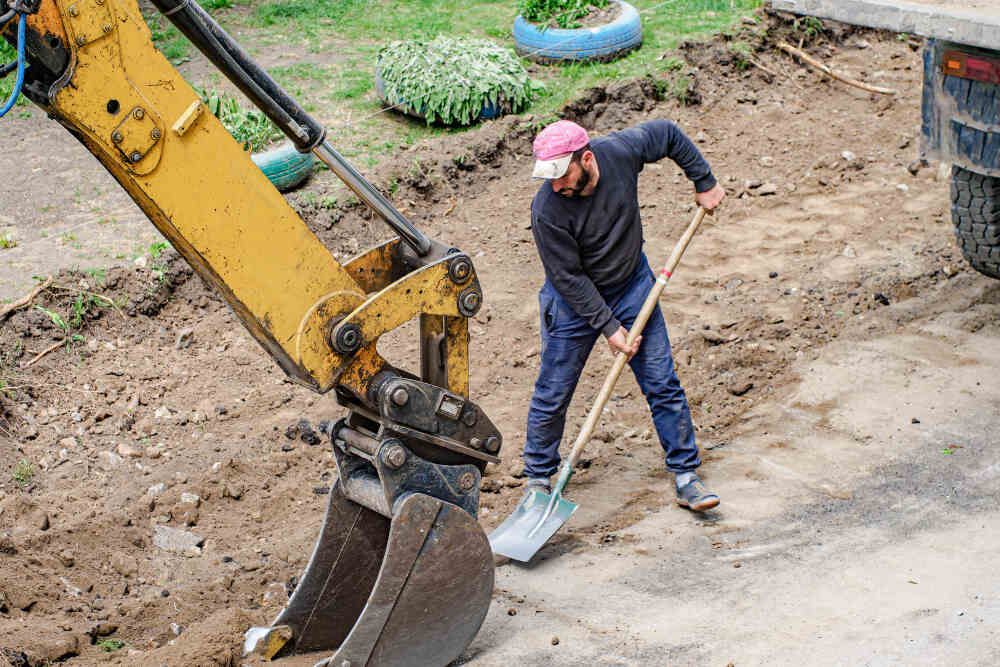
Our team handles excavation projects of all sizes, from small-scale residential jobs to larger commercial undertakings. We provide:
- Foundation excavation.
- Basement construction and trench digging.
- Grading and sloping for proper drainage.
3. Utility Trenching
Properly installed utilities are essential for any modern structure. We offer:
- Trenching for electrical and plumbing systems.
- Installation of drainage and sewer lines.
- Cable and pipeline trenching with minimal disruption.
4. Hard Landscaping and Paving
Enhance your outdoor space with our hard landscaping services, including:
- Block paving for driveways and patios.
- Concrete slabs for footpaths and outdoor structures.
- Retaining walls and decking installations.
.jpg)
Why Choose Our Groundworks Services?
Reliability and Expertise
With years of experience in the groundwork industry, we bring unparalleled expertise to every project. Our skilled team ensures each job is completed on time and within budget, with no compromises on quality. We collaborate with developers, contractors, and civil engineering companies to deliver bespoke solutions for every project.
Safety Compliance
We prioritise the safety of our team, clients, and the environment. All our services are performed in strict adherence to UK construction and safety standards, ensuring peace of mind for all stakeholders. Ground investigations and proper safety protocols are part of every project.
Tailored Solutions
No two projects are the same. We customise our services to meet the unique requirements of your construction site, ensuring the best results every time. From residential groundworks to commercial groundwork solutions, we have the expertise to handle it all.
Service Areas
Groundworks Contractors London
As experienced groundworks contractors, we extend our services to London, delivering top-notch site preparation and excavation solutions for urban construction projects.
Learn More About Groundworks Contractors London
Excavation Services in Buckhurst Hill
Our excavation services in Buckhurst Hill are designed to meet the specific needs of local construction projects, ensuring precision and efficiency at every stage.
Learn More About Excavation Services in Buckhurst Hill
Site Preparation for Construction in Chigwell
For construction projects in Chigwell, we offer tailored site preparation services that lay the groundwork for success. From levelling to trenching, we’ve got you covered.
Learn More About Site Preparation for Construction in Chigwell

Our Commitment to Safety and Compliance
Safety is at the core of everything we do. Our team undergoes regular training to stay updated with the latest industry practices and regulations. Additionally, we utilise modern equipment and plant machinery to minimise risks and enhance efficiency, ensuring your project is completed safely and effectively.
Additional Services
Our diverse range of groundwork services includes:
- Drainage systems installation and maintenance.
- Basement construction for additional usable space.
- Foundations and footings preparation.
- Trenching for utilities and infrastructure.
- Digging for excavation and groundwork needs.
- Landscaping solutions for outdoor spaces.
- Sewer construction and maintenance.
- Substructure work for enhanced structural stability.
- Cob construction for sustainable projects.
- Piling for deep foundations.
- Ground investigation to ensure site suitability.
- Site clearance for a clean and prepared work area.
- Raft foundations for even weight distribution.
- Reinstatement work for restoring areas post-construction.
- Driveways and patio paving for residential and commercial properties.
Workmanship and Equipment
We take pride in the quality of our workmanship. Using advanced plant machinery and modern techniques, we ensure each project is executed to the highest standards. From trenches to large-scale infrastructure developments, our equipment and expertise guarantee exceptional results.
FAQs on Groundworks and Excavation in Construction
1. What is groundworks?
Groundworks refers to the initial stage of construction involving preparation of the site for building work. It includes a range of activities in civil engineering, structural engineering, and building engineering to establish a solid base for a structure. Groundworks involve tasks such as digging and trenching to prepare the soil for the foundation (engineering), installation of drainage systems, and assessment of earth sciences factors such as topsoil and hydrogeology. These activities are critical for ensuring the stability and longevity of structures, whether it’s a building, road, or retaining wall.
2. What does groundworks include?
Groundworks include several essential activities that set the stage for successful construction. Key elements are:
- Site Clearance: Removing vegetation, debris, and unsuitable topsoil to create a clean surface.
- Soil Assessment and Preparation: Testing the soil for stability and suitability to support a foundation.
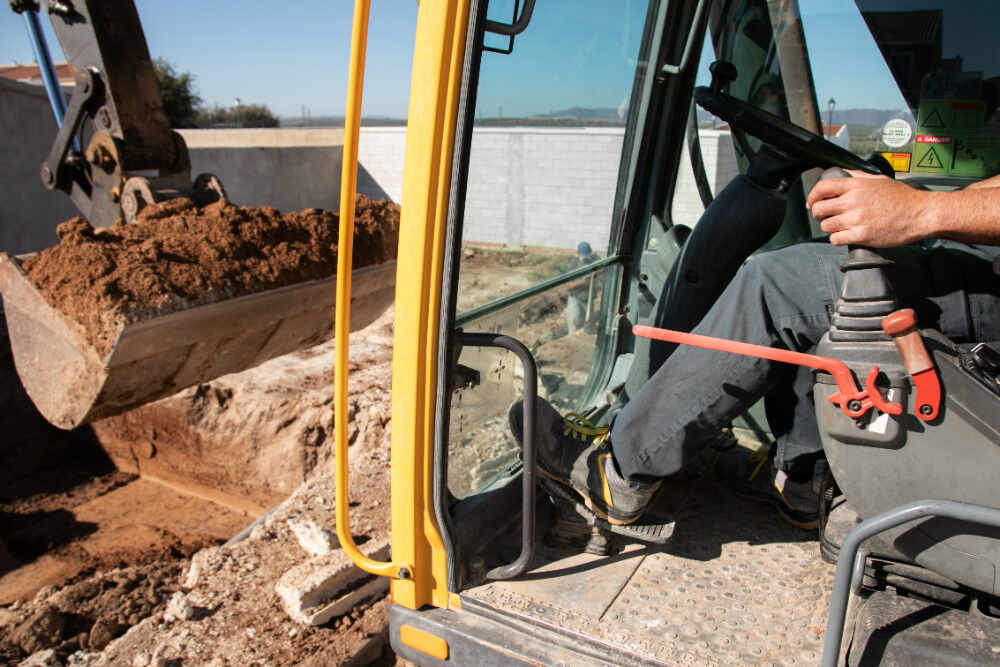
- Excavation and Digging: Using machinery like excavators to dig trenches for drainage, storm drains, and basements.
- Foundation Construction: Laying shallow or deep foundations, such as concrete slabs, to support the structure.
- Drainage Installation: Setting up systems to manage water flow and prevent flood risks, ensuring proper site drainage.
- Retaining Walls: Constructing walls, often using masonry, brick, or concrete, to hold back soil in sloped areas.
- Road and Surface Preparation: Installing road surfaces using materials like asphalt concrete for driveways or site access.
These steps ensure a robust base for any construction, blending engineering precision with building technology.
3. How to do groundworks for a house?
Performing groundworks for a house involves a sequence of well-planned steps. Here’s how to proceed:
Site Survey and Preparation:
- Consult professionals in architecture, civil engineering, and building technology to assess the site’s conditions, including soil quality, drainage, and flood risks.
- Clear the site of any obstacles and remove unsuitable topsoil.
Foundation Planning and Excavation:
- Choose the appropriate foundation type, such as a deep foundation, concrete slab, or basement, based on the site conditions.
- Use an excavator to dig trenches for the foundation and drainage systems, ensuring precise depths.
Foundation Construction:
- Pour concrete to create a stable foundation. For houses with basements, construct walls to support the floor above.
- Include reinforcement elements for durability and stability, ensuring compliance with structural engineering standards.
Drainage Systems:
- Install pipes, storm drains, and other architectural elements to manage water flow. Ensure proper connection to local sewage systems to avoid future waterlogging.
Retaining Walls and Additional Structures:
- Build retaining walls if the site is uneven or located on a slope. These are often made from masonry or brick materials.
- Lay road surfaces or pathways using asphalt concrete or clay as needed for driveways or access roads.
Final Inspection and Preparation:
- Conduct an inspection with experts in building engineering and structural engineering to ensure all groundwork complies with safety and design requirements.
- Once approved, proceed with building the superstructure.
4. What is an excavation in construction?
Excavation in construction refers to the process of removing soil, rock, or other materials from a site to create a cavity or trench. This activity is essential for building foundations, trenches for utilities, tunnels, basements, and drainage systems. Equipment such as excavators, backhoes, bulldozers, and trenchers (machines) are often used. Excavations play a critical role in creating stable bases for construction projects and are integral to civil engineering.
5. What is considered excavation?
Excavation encompasses activities like digging, trenching, tunneling, and dredging. It involves the use of construction equipment, such as skid-steer loaders, suction excavators, compact excavators, and graders, to move or remove soil, rock, or topsoil. Excavations can be shallow or deep, depending on the project's requirements, ranging from archaeological excavations for artefacts to deep foundations in civil engineering.
6. What are excavation services?
Excavation services involve professional teams utilising advanced technology and heavy equipment to prepare sites for construction. These services include trench digging for utilities, grading for roads, soil removal, dredging for waterways, and basement excavation. Equipment such as backhoe loaders, bulldozers, and trenchers (machines) ensure precision in tasks like creating foundations, laying drainage systems, and supporting large-scale industrial projects.
7. What is an excavation plan?
An excavation plan is a detailed document that outlines how the excavation will be carried out, including safety protocols, equipment usage, and site preparation. The plan considers factors like soil type, angle of repose, water table levels, and the proximity of structures. It includes the use of engineering vehicles like excavators, loaders, and trenchers (machines) to ensure efficiency and safety. The plan also addresses environmental concerns, especially in areas with geological or archaeological significance.
8. What are construction services?
Construction services encompass a wide range of activities, including excavation, foundation work, structural erection, and finishing. These services rely on industrial equipment like backhoes, loaders, graders, and bulldozers for site preparation, drainage installation, and road building. Construction involves the integration of various disciplines, such as civil engineering, earth sciences, and technology, to ensure that projects meet both design and safety standards.
9. How often should an excavation be inspected?
Excavations should be inspected daily by a qualified engineer or supervisor, especially before shifts begin and after any significant weather changes, such as rain. Inspections focus on the trench's structural stability, the condition of heavy equipment like backhoe loaders or bulldozers, and the presence of any hazards like water accumulation or soil collapse. Regular inspections are crucial to ensuring worker safety and the longevity of the excavation.
10. Does excavation require planning permission?
Yes, excavation often requires planning permission, particularly if it involves significant soil removal, deep foundations, or work near protected areas. For example, archaeological excavation or digging in areas with topsoil removal may need special permits. The involvement of heavy machinery like excavators or trenchers also necessitates compliance with local regulations to avoid disruption to public infrastructure or environmental harm.
11. Are excavations temporary works?
Excavations are typically classified as temporary works because they are part of the preparation phase for permanent structures like foundations, basements, and tunnels. Equipment such as compact excavators and loaders are used to complete these temporary stages efficiently. However, the impact of excavation, such as drainage systems or deep foundations, has lasting implications on the stability and functionality of the final structure.
Get in Touch with Us Today
Whether you’re planning a residential project or a large commercial development, London Formwork & Groundwork, is here to provide reliable and efficient groundwork services.
Contact us today to discuss your requirements and receive a no-obligation quote. Let us help you lay the foundation for a successful build!


