
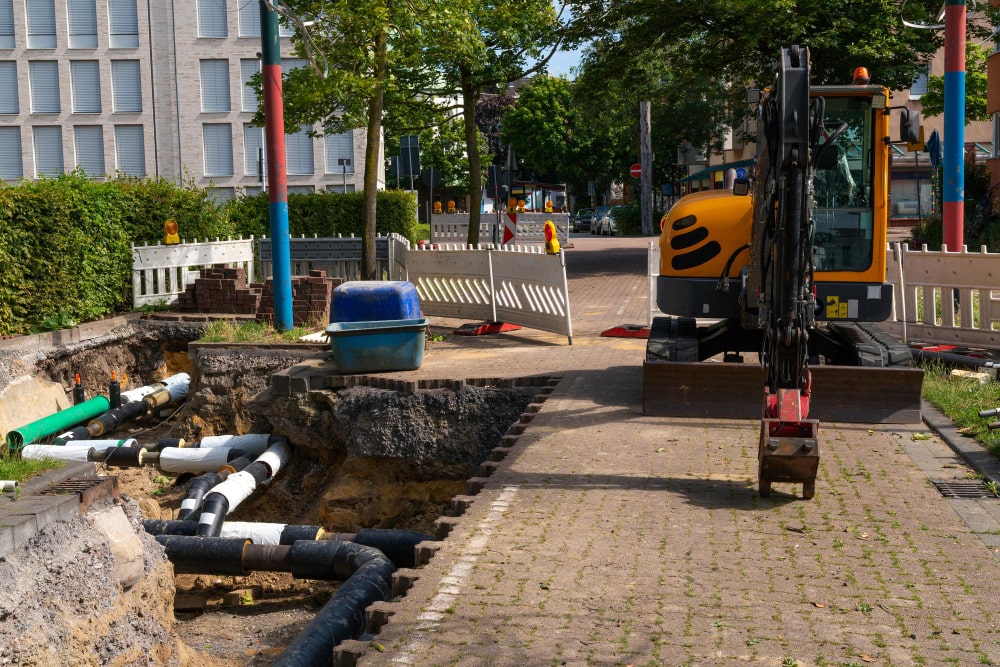
Drainage solutions in London address surface water, foul water, and groundwater issues for residential, commercial, and public properties. Common services include drain unblocking, CCTV drain surveys, soakaway installation, drain relining, gully cleaning, and flood prevention systems. London drainage contractors use technologies such as trenchless repairs, high-pressure water jetting, and sustainable drainage systems (SuDS) to comply with Environment Agency regulations, Thames Water guidelines, and local borough planning requirements. Costs vary by service: drain unblocking averages £80–£150, CCTV surveys £100–£250, and larger repairs £1,000+. Choosing a certified drainage company ensures compliance, safety, and long-term performance.
What Are Drainage Solutions?
Drainage solutions are engineering and maintenance methods designed to manage water flow, prevent blockages, and reduce flood risk. In London, where Victorian sewer systems are under pressure and climate change increases rainfall intensity, drainage management is essential.
Key components:
- Surface water drainage – rainwater runoff from roofs, roads, and driveways.
- Foul water drainage – wastewater from sinks, toilets, and appliances.
- Sustainable Drainage Systems (SuDS) – green roofs, permeable paving, soakaways.
- CCTV drain surveys – camera inspections to diagnose hidden issues.
- Thames Water connections – ensuring foul and surface drainage meets local authority approval.
Why Are Drainage Solutions Important in London?
London’s population density, older housing stock, and flood-prone areas make drainage a critical issue. Poor drainage can lead to:
- Localised flooding (e.g., South London floodplains).
- Structural damage to basements and foundations.
- Damp, mould, and subsidence risks.
- Pollution from combined sewer overflows (CSOs).
The Environment Agency and Greater London Authority (GLA) require sustainable systems to manage stormwater while maintaining public health.
Types of Drainage Services in London
1. Drain Unblocking
- High-pressure water jetting removes grease, roots, and debris.
- Emergency call-outs are common in urban areas.
- Average cost: £80–£150 per visit.
2. CCTV Drain Surveys
- Used in homebuyer surveys, insurance claims, and compliance checks.
- Identifies cracks, intrusions, and collapsed pipes.
- Costs: £100–£250 depending on property size.
3. Drain Repairs and Relining
- Trenchless technology allows relining without excavation.
- Patch lining for localised cracks.
- Excavation for collapsed drains.
4. Soakaways and Sustainable Drainage Systems (SuDS)
- Gravel soakaways, rain gardens, and permeable driveways reduce runoff.
- Required in many planning applications across London boroughs.
5. Pumping Stations and Sump Pumps
- Essential for basement conversions in areas such as Chelsea, Kensington, and Islington.
- Prevents groundwater flooding and backflow.
6. Gully Cleaning and Maintenance
- Removes leaves, silt, and waste from road gullies.
- Ensures compliance with Transport for London (TfL) drainage standards.
Key Stakeholders in London Drainage Projects
- Thames Water – regulates sewer connections and maintenance.
- Environment Agency – oversees flood risk and SuDS compliance.
- Local Borough Councils – planning permission and Building Regulations Part H.
- Certified Contractors – NADC (National Association of Drainage Contractors) members.
- Homeowners and Developers – responsible for private drains until they connect to public sewers
Costs of Drainage Solutions in London
| Service | Average Cost (Residential) | Notes |
|---|---|---|
| Drain unblocking | £80–£150 | Emergency rates higher |
| CCTV drain survey | £100–£250 | Larger properties cost more |
| Drain relining | £500–£1,500 | Per section |
| Excavation repair | £1,500+ | Dependent on depth/length |
| Soakaway installation | £800–£2,500 | Required for SuDS planning |
Regulations and Compliance
London drainage projects must comply with:
- Building Regulations Part H – foul water drainage.
- Sewers for Adoption – Thames Water standards.
- Flood and Water Management Act 2010 – Sustainable Drainage Policy.
- Local Flood Risk Management Strategies (LFRMS) – borough-specific rules.
Failure to comply may lead to planning refusal, fines, or liability for property damage.
Final Thoughts
Drainage solutions in London safeguard homes, businesses, and infrastructure against flooding, water damage, and regulatory breaches. From unblocking drains and conducting CCTV surveys to installing SuDS and maintaining pumping systems, certified contractors deliver essential services that protect both property and public health. Costs vary widely, but proactive inspection and compliance with Thames Water and Environment Agency standards reduce long-term risks.
Frequently Asked Questions
Q1: Who is responsible for blocked drains in London?
Homeowners are responsible for private drains on their property. Thames Water manages public sewers beyond the boundary.
Q2: Do I need planning permission for drainage work?
Minor repairs usually don’t, but new soakaways, basement drainage, or sewer connections often require local authority approval.
Q3: How often should drains be inspected?
Domestic drains: every 2–3 years. Commercial and rental properties: annually, or as required by insurance.
Q4: What is the difference between a soakaway and a French drain?
A soakaway disperses water into soil; a French drain redirects water using perforated pipes.
Q5: Are SuDS mandatory in London?
Yes, most major developments must incorporate SuDS under the London Plan.


