
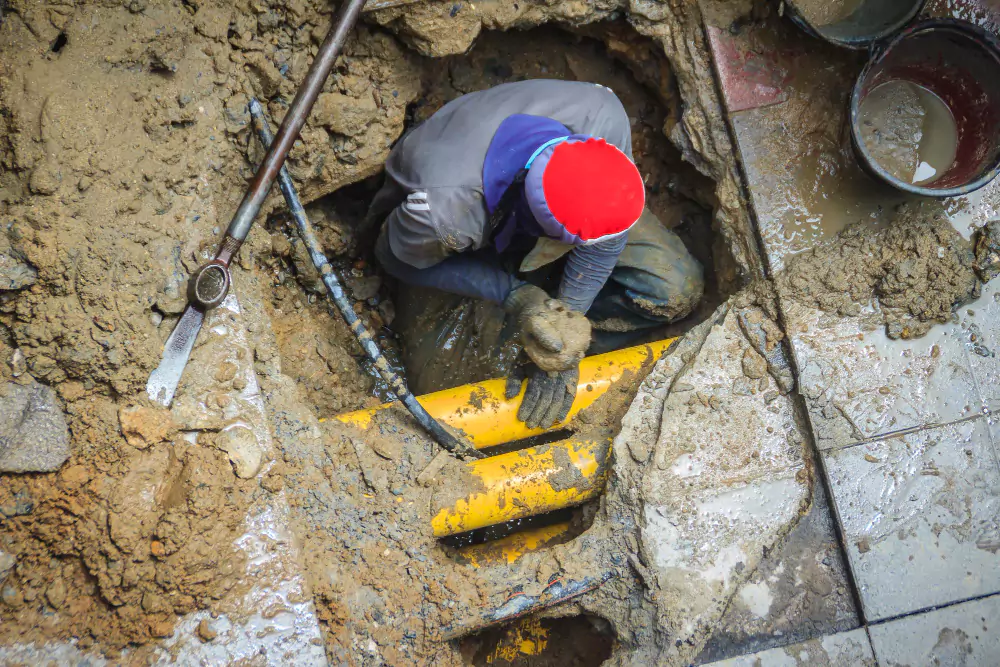
Expert Basement Underpinning Contractors in Chigwell: Comprehensive Foundation Solutions for Structural Integrity
When it comes to ensuring the safety and stability of your home or commercial property, basement underpinning plays a crucial role in maintaining a strong foundation. In Chigwell, homeowners and businesses alike rely on professional basement underpinning contractors to tackle issues like subsidence, inadequate foundations, and structural integrity concerns.
What is Basement Underpinning?
Basement underpinning is a construction method used to strengthen and stabilise the existing foundation of a building. Often, this is necessary when the original foundation, due to poor soil conditions or construction errors, is not able to bear the weight of the structure. This process is especially important in areas like Chigwell and Buckhurst Hill, where properties are often older and may suffer from foundation issues due to the settlement of the land over time.
Underpinning specialists, like those in Chigwell, use various techniques such as mass concrete underpinning, CFA piling, screw piling, and mini piling. These techniques involve excavation to strengthen the original foundation and prevent further movement. For new builds or homes facing extensive subsidence, engineers will evaluate soil conditions and may recommend installing ground beams, RC slabs, or reinforced concrete beams for added structural support.
Why Choose Professional Basement Underpinning Contractors in Chigwell?
A reliable contractor ensures that your building work meets all regulatory standards and specifications. Contractors in Chigwell, as well as nearby areas such as Waltham Abbey and West London, are highly skilled and provide tailored underpinning solutions that ensure the long-term stability of your property. Whether you’re dealing with a shed, new build, or a larger structure, specialised solutions are available for all types of construction projects.
Types of Underpinning Techniques
- Mass Concrete Underpinning: This traditional method involves excavating sections of the foundation, then filling the holes with mass concrete. It is ideal for properties that require substantial strengthening due to subsidence or other structural issues.
- CFA Piling: Continuous Flight Auger (CFA) piling uses a drilling technique that creates a deep pile to support the foundation. This is especially beneficial for buildings with existing foundations that need to be stabilised without disrupting the structure.
- Mini Piling: This technique uses smaller, more compact piles and is often used in properties with limited space. It’s an effective solution for strengthening foundations in urban areas where large equipment may not be suitable.
- Screw Piling: This method involves using a steel screw pile to anchor the building into the ground. It’s particularly useful for ensuring structural integrity in areas with difficult soil conditions.
Each of these methods requires the expertise of experienced engineers and building contractors. It’s essential to select a contractor with a proven track record of completed projects and positive reviews to ensure your project’s success.
Common Underpinning Techniques
Underpinning techniques vary depending on the cause of foundation issues, soil conditions, access constraints, and structural requirements. Each method is designed to strengthen or stabilise an existing foundation that can no longer adequately support the structure. Some of the most commonly used techniques include mass concrete underpinning, beam and base systems, mini-piling, screw piling, and expanding resin injection.
Mass concrete underpinning is the traditional approach, often used where access is easy and ground conditions are stable. Beam and base systems offer added flexibility and strength for buildings that need tailored support. Mini-piling is ideal for sites with restricted access or deep foundations. Screw piling provides a fast and vibration-free solution suited to softer soils. Resin injection, a modern method, is minimally invasive and provides rapid results by filling voids and lifting structures.
Choosing the right underpinning technique is critical. It should be guided by a structural engineer’s assessment to ensure the safety, longevity, and stability of the building in question.
Mass Concrete Underpinning Method
The mass concrete underpinning method is one of the oldest and most widely used techniques for stabilising building foundations. It involves excavating sections beneath the existing foundation in controlled stages, then filling each pit with concrete. As the concrete cures, it forms a solid, reinforced base that supports the structure above, effectively extending the original foundation deeper into more stable ground.
This method is ideal for properties affected by shallow subsidence or where the ground conditions are relatively stable. It’s especially useful for low-rise buildings and situations where heavy machinery cannot be used. Work is usually carried out in a sequence to maintain structural stability throughout the process.
Although time-consuming, mass concrete underpinning is a proven and cost-effective solution that delivers long-lasting results. It’s often the go-to choice for heritage buildings or residential properties where minimal disruption is a priority. Before beginning work, it’s essential to conduct a structural assessment and obtain the necessary permissions and building control approvals.
Beam and Base Underpinning Approach
The beam and base underpinning method is a modern alternative to the traditional mass concrete technique, offering enhanced support and flexibility. It involves constructing a reinforced concrete beam beneath the existing foundation, which transfers the structural load to a series of concrete bases or pads. These bases are strategically placed beneath the beam and founded on stable soil or bedrock.
This approach is particularly useful when dealing with buildings experiencing differential settlement or where the load must be redistributed evenly. It allows for greater control over the underpinning process and can accommodate more complex structural requirements.
The beam and base method is often specified when mass concrete underpinning is impractical due to site conditions or design constraints. It requires careful planning, structural calculations, and precise execution to ensure each element works together effectively.
Although it can be more costly than basic underpinning methods, its added structural resilience makes it a worthwhile investment—particularly for larger or more heavily loaded buildings.
Mini-Piled Underpinning Strategy
Mini-piled underpinning is a versatile and technically advanced solution used when deep foundations are required or where ground conditions are particularly poor. It involves drilling small-diameter piles—typically between 150mm and 300mm—deep into the ground until they reach load-bearing strata. These piles are then connected to the existing foundation via a concrete or steel beam, effectively transferring the structural load.
This strategy is especially suited to sites with limited access, such as built-up urban areas or interiors of existing buildings. Mini-piling is also ideal for properties affected by fluctuating groundwater levels, clay soils, or nearby tree roots.
Despite its complexity, mini-piling is quick to install and causes minimal disturbance to surrounding areas. The method complies well with strict building regulations and is often the preferred choice for underpinning projects involving basements, extensions, or commercial buildings.
Due to its technical nature, mini-piled underpinning requires experienced contractors and specialist equipment, making professional oversight critical for a successful outcome.
Screw Piling Underpinning Process
Screw piling is a modern underpinning technique that offers a fast, clean, and efficient solution for stabilising structures. The process involves driving steel piles with helical blades into the ground using a high-torque, low-speed motor. As the piles are screwed into place, they displace the soil rather than removing it, which reduces vibration and noise—making it ideal for sensitive or built-up environments.
Once installed to the required depth and load-bearing capacity, the screw piles are either connected to a reinforced concrete beam or bolted directly to the building’s foundation. This provides immediate load support and structural stability.
Screw piling is particularly effective in soft, reactive, or waterlogged soils and is often used in residential, commercial, and modular building projects. Its speed and minimal excavation needs make it suitable for time-sensitive developments or environmentally restricted sites.
As with all underpinning work, proper design, site investigation, and load testing are crucial. Screw piling should always be carried out by certified specialists using calibrated equipment.
Expanding Resin Injection Underpinning
Expanding resin injection is a non-invasive underpinning technique that provides structural support by stabilising soil beneath the foundation. The process involves drilling small holes into the ground and injecting a specially formulated polyurethane resin. As the resin expands, it fills voids, compacts loose soil, and gently lifts the structure above, restoring level and stability.
This method is quick, clean, and requires no major excavation, making it ideal for properties where access is limited or disruption must be minimised. It’s often used for residential homes, heritage buildings, or commercial premises where traditional underpinning might be impractical.
Expanding resin injection is highly effective for addressing localised subsidence caused by water ingress, soil shrinkage, or tree root activity. It also improves ground bearing capacity, which helps prevent future movement.
Although not suitable for all soil types or severe structural issues, resin injection can be an excellent preventative or remedial solution when applied correctly. A geotechnical survey is essential to determine its suitability for a specific site.
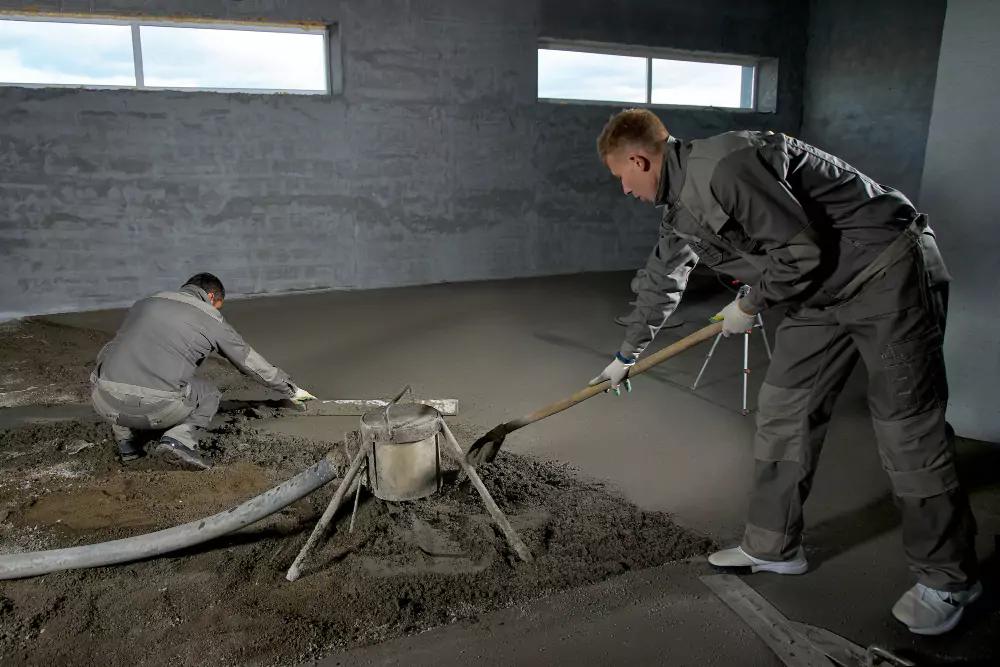
Common Basement Underpinning Issues in Chigwell
In Chigwell and nearby areas, common foundation problems include:
- Subsidence: This occurs when the soil beneath the foundation shifts, causing the building to sink unevenly. It can be caused by soil erosion, moisture changes, or even the weight of the building itself.
- Inadequate Foundations: Older buildings, especially those constructed without proper foundation work, can develop issues as the ground settles over time.
- Cracked Walls: Cracks in walls often indicate that the foundation is shifting. This can be an early sign of a need for underpinning services.
Properly addressing these issues with professional underpinning contractors ensures your building’s foundation remains secure and functional.
Why Underpinning Contractors Are Essential
Underpinning contractors play a critical role in maintaining the structural integrity of buildings. Whether it’s a residential property, commercial structure, or heritage site, the expertise of these specialists is essential when the foundation becomes unstable. Issues such as soil movement, poor initial construction, nearby excavations, or water damage can all cause subsidence leading to cracks, uneven floors, and compromised safety.
A qualified underpinning contractor doesn’t just stabilise foundations; they assess the root cause, design an appropriate solution, and carry out work in line with building regulations and safety standards. Their knowledge ensures that the correct underpinning method—be it mass concrete, mini-piling, or resin injection is selected for the situation at hand.
Without professional intervention, minor structural issues can evolve into major and costly problems. Experienced contractors provide peace of mind, safeguarding your property and its value. Engaging an underpinning expert at the first sign of trouble ensures long-term stability and avoids potential structural failure in the future.
Key Signs Your Building May Need Underpinning
Recognising the early warning signs of foundation issues is crucial to preventing serious structural damage. One of the most common indicators is the appearance of cracks in walls, particularly those wider than 5mm or forming in a stair-step pattern. These are often seen around doors and windows or near corners of rooms.
Doors and windows that begin to stick or fail to close properly may also point to movement in the foundation. Uneven floors, noticeable dips, or sloping surfaces are further signs that underpinning might be necessary. In older buildings, the sudden appearance of gaps between skirting boards and floors, or between walls and ceilings, is another red flag.
Externally, signs such as separating brickwork, leaning walls, or visible cracks in the foundation itself should never be ignored. If you notice any of these issues, it’s wise to consult a structural engineer or underpinning specialist promptly. Early intervention can prevent the need for more extensive and expensive repairs later on.
The Importance of Expert Contractors for Basement Underpinning
The construction industry demands precision, especially when working with existing foundations. Underpinning services require detailed information about soil conditions, the existing foundation’s integrity, and the overall structure of the building. Contractors in Chigwell are familiar with local soil conditions and have the necessary experience to ensure that the underpinning work is performed with minimal disruption to your property. With their expertise, they can carry out excavation work, install piles, and add concrete, ground beams, or slabs, depending on the structural needs of the building.
By hiring basement underpinning specialists, you ensure that your building’s foundation is strengthened to handle any future challenges. Structural issues, such as subsidence or cracks in the walls, can lead to costly repairs if not addressed promptly. An underpinning contractor provides a long-term solution that not only saves you money but also protects the value of your home or business.
Basement Underpinning for Homeowners and Businesses
Whether you’re a homeowner looking to create additional space by lowering your basement floor or a business that needs to reinforce its commercial building, underpinning is a smart investment. Proper underpinning ensures that the structure can withstand weight shifts, environmental changes, and other external forces. It's particularly important for areas like Chigwell, where properties may experience changes in soil moisture levels, affecting the foundation's stability.
Underpinning also allows homeowners to expand their property’s potential. Lowering the basement floor creates more usable space, which can be converted into a new living area or storage. For businesses, reinforced foundations can accommodate heavy machinery or large-scale operations that might require additional structural support.
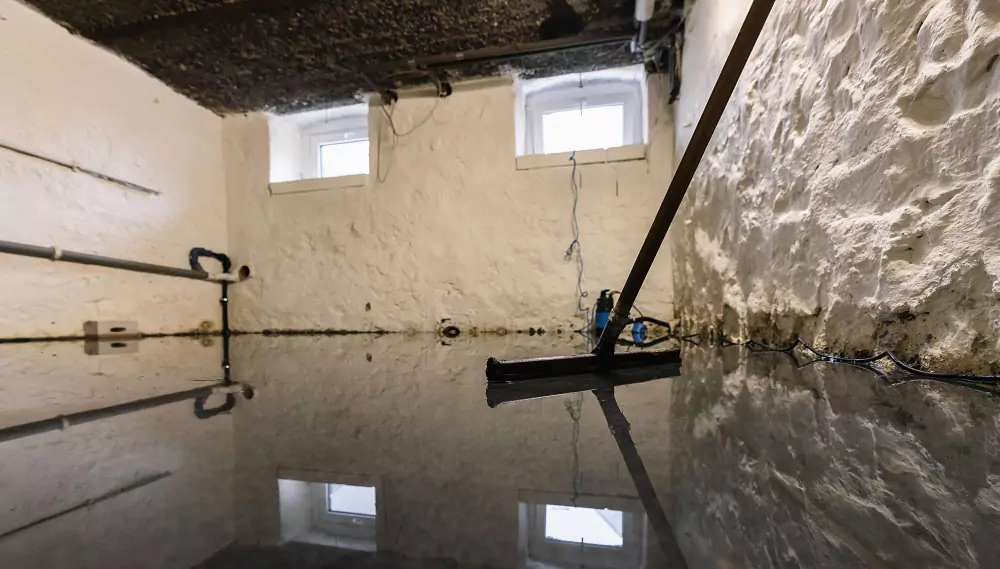
How to Choose the Right Basement Underpinning Contractor in Chigwell
When selecting a contractor for basement underpinning in Chigwell, there are a few key factors to consider:
- Experience: Look for contractors with a strong track record of successfully completed projects in both residential and commercial sectors. They should have experience with different underpinning methods and be able to tailor solutions to your specific needs.
- Specialised Knowledge: Basement underpinning requires in-depth knowledge of construction, soil conditions, and structural integrity. Choose contractors who are experienced in handling both new builds and existing buildings.
- Reputation: Check reviews and ask for references from past clients to gauge the contractor’s reliability and professionalism. A good reputation within the industry can provide peace of mind during your project.
- Cost-Effectiveness: While cost should not be the only deciding factor, it’s important to get a few quotes from different contractors to ensure competitive pricing for the work required.
- Detailed Information: Ensure that the contractor provides clear, detailed information about the project timeline, materials, and techniques involved.
FAQs
- What is basement underpinning?
Basement underpinning is a method used to strengthen and stabilise a building's foundation by excavating sections and reinforcing the existing structure to prevent subsidence or foundation failure. - Why is basement underpinning important in Chigwell?
Basement underpinning is crucial in Chigwell due to the area's older properties, which may suffer from subsidence or inadequate foundations, ensuring long-term structural stability. - What types of underpinning techniques are used?
Techniques such as mass concrete underpinning, CFA piling, screw piling, and mini piling are used to reinforce foundations depending on soil conditions and structural needs. - How do contractors assess the need for underpinning?
Contractors evaluate existing soil conditions, the current foundation’s integrity, and structural issues like subsidence to determine the best underpinning method. - Can underpinning help with creating more usable space in basements?
Yes, underpinning can lower the basement floor, creating additional space for living or storage, especially in older properties with shallow foundations.
Conclusion
Basement underpinning is an essential service for homeowners and businesses in Chigwell facing foundation problems. Whether you need to address subsidence, an inadequate foundation, or reinforce an existing structure, professional underpinning services are the solution. Choosing a reliable and experienced contractor who understands the local soil conditions, construction methods, and your unique needs is crucial for a successful project.
For those in need of basement underpinning contractors in Chigwell, don’t hesitate to reach out to experienced professionals. They will provide expert services and ensure the long-term stability of your building, allowing you to confidently move forward with your construction or renovation project.
Contact Us
We're here to help with all your underpinning and foundation repair needs. Whether you’ve noticed signs of subsidence or simply have questions about our services, our expert team is ready to assist you.
???? Office Address:
London Formwork & Groundwork
Location: 20-22 Wenlock Road London N1-7GU
London, N1 7GU
???? Phone:
0203 603 6466
Available Monday to Friday, 9:00am – 5:30pm
???? Email:
office@londonfg.com
We aim to respond to all enquiries within 24 hours.
???? Get in Touch Online:
Use our quick Enquiry Form below to tell us about your project or concern. A member of our team will get back to you as soon as possible.


