
Ultimate Guide to Decorative Concrete Finishes in Epping: Types, Benefits, and Applications for Driveways, Patios, and More
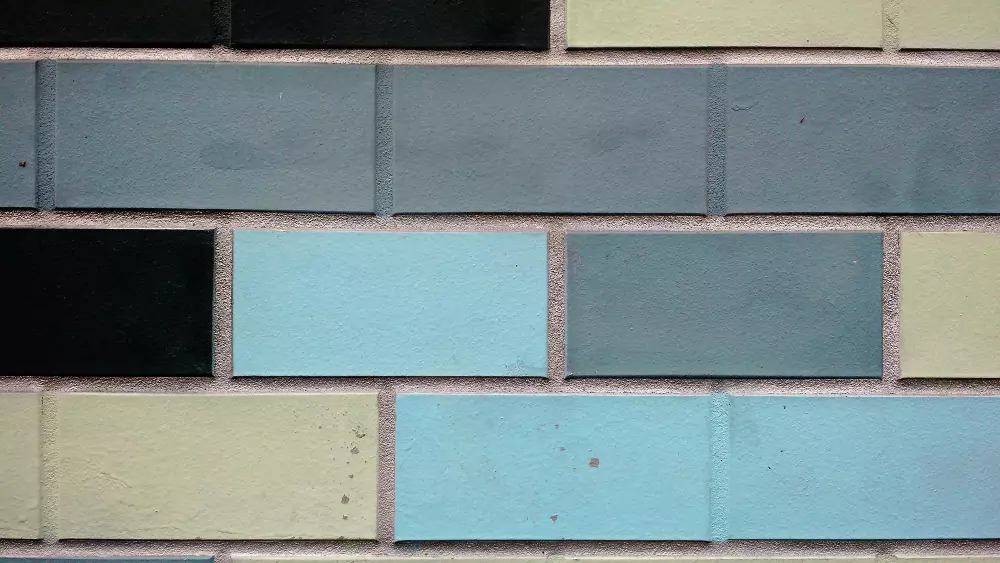
When it comes to enhancing the beauty and functionality of your outdoor space, decorative concrete finishes are becoming an increasingly popular choice in Epping and surrounding areas. Whether you're looking to create a stunning driveway, patio, or walkway, decorative concrete offers a versatile solution that can complement any style. In this blog post, we'll explore various types of decorative concrete finishes, from imprinted concrete to polished concrete flooring, and how they can add aesthetic appeal and durability to your driveway project, patio, and more.
The Rise of Decorative Concrete Finishes
Decorative concrete is a transformative way to elevate the look of both your exterior and interior design. Gone are the days when plain concrete was the only option for functional spaces. With the advancements in cement and concrete supply, homeowners and business owners alike now have access to a range of stunning decorative concrete finishes that offer not just beauty, but long-lasting durability.
From aggregate concrete surfaces to polished concrete specialists, there are numerous options available, depending on the type of finish you're after. Whether you're considering stained concrete for a vibrant colour hardener effect or opting for imprinted concrete to mimic the look of natural stone, decorative concrete can be tailored to suit every project.
Types of Decorative Concrete Finishes in Epping
- Imprinted Concrete: One of the most sought-after decorative concrete finishes, imprinted concrete offers the look of brick, block paving, and even natural stone, with the benefit of a smooth, durable concrete surface. This finish is perfect for driveways, walkways, and patios where a traditional stone appearance is desired without the high maintenance.
- Stamped Concrete: Similar to imprinted concrete, stamped concrete allows for a range of textures and patterns, often mimicking stone, bricks, or even wood. Ideal for driveway projects and outdoor spaces, stamped concrete is designed to withstand the rigours of daily traffic while offering a rich appearance that adds value to your property.
- Polished Concrete Flooring: Polished concrete provides a sleek, modern look that’s perfect for both residential and commercial applications. Whether you're designing concrete flooring for your interior design or creating a polished concrete slab for an industrial-style home, the smooth finish not only looks stylish but is also easy to maintain and highly durable.
- Concrete Stain and Coatings: If you're looking to add some colour to your existing concrete, a concrete stain is an excellent choice. Whether you're after a natural, earthy tone or something bold and striking, concrete stains allow you to customise your concrete surfaces. To preserve the vibrant look, apply a sealer to protect the surface from wear, cracks, and stains.
- Coloured Concrete: Adding colour hardener to your concrete mix creates a consistent, vibrant finish that is ideal for driveways, walkways, and even patios. Available in a wide range of hues, coloured concrete provides a durable and low-maintenance alternative to traditional paving materials.
- Concrete Resurfacing: If your existing concrete surface is looking worn or damaged, concrete resurfacing is a cost-effective way to restore it. With the application of a new cement layer, you can bring life back to your old concrete floor, concrete slab, or driveway, making it look as good as new without the need for a full replacement.
Key Benefits of Decorative Concrete Finishes
- Durability: One of the main advantages of decorative concrete is its strength and longevity. When correctly sealed and maintained, decorative finishes can withstand the elements, cracks, and the wear and tear of daily use.
- Versatility: From gravel-like textures to smooth finishes, decorative concrete can be designed to match any style. Whether you want a natural stone effect or prefer the clean lines of block paving, there is a decorative finish for every construction project.
- Low Maintenance: Unlike traditional paving options like brick or block paving, decorative concrete finishes are easy to maintain. A regular clean and reseal will keep your concrete patio or concrete driveway looking new for years to come.
- Cost-Effective: When compared to other materials such as natural stone or brick, decorative concrete offers a cost-effective solution. Not only does it require less frequent repair and replacement, but the initial installation cost is often lower than that of alternative paving materials.
Where Can Decorative Concrete Be Used?
Decorative concrete finishes can be applied to various areas in and around your property. These versatile finishes are ideal for:
- Driveways: Add character and durability to your concrete driveway with imprinted concrete or polished concrete. These finishes can handle the weight and traffic of vehicles while providing an attractive entryway to your home or business.
- Patios: Create an inviting outdoor space with stamped concrete, coloured concrete, or aggregate concrete. Whether you’re planning a family BBQ or just want to enjoy your garden, these finishes are perfect for creating a stunning outdoor space.
- Walkways: Use decorative concrete to enhance your garden pathways or retaining walls. A concrete surface with colour hardener or stamped concrete is not only functional but can also be tailored to match your landscape design.
- Interior Floors: Polished concrete is a popular choice for contemporary interiors, offering a sleek and durable finish for concrete flooring. This finish is ideal for kitchens, living rooms, and even commercial spaces like offices and retail outlets.
The Evolution of Decorative Concrete Designs
Decorative concrete has seen a remarkable transformation over the past few decades. Once considered purely utilitarian, it is now embraced as a creative and versatile design solution across residential, commercial, and public spaces. This evolution has been shaped by advances in colouring methods, stamping techniques, and sealants that have elevated concrete from a dull, grey slab into a vibrant, textured canvas.
At the heart of decorative concrete’s journey is the increasing desire for bespoke finishes that combine durability with aesthetic appeal. Modern decorative concrete mimics the look of natural materials like stone, brick, wood, or slate—at a fraction of the cost. From polished interior floors to patterned driveways and textured patios, designers now have greater freedom to experiment with colours, finishes, and patterns.
As sustainable construction gains prominence, decorative concrete also plays a pivotal role by reducing the need for additional materials. Through improved techniques and layered applications, it continues to redefine architectural boundaries, making it a mainstay in both traditional and contemporary design landscapes.
Applying the Primary Colour Layer
The process of decorative concrete design begins with the application of a primary colour layer an essential foundation that determines the base tone of the surface. This colour is typically introduced through integral colouring, where pigment is mixed directly into the concrete before it is poured. This method ensures a rich, consistent hue throughout the slab, enhancing longevity and reducing surface wear visibility over time.
Alternatively, colour hardeners can be broadcast across the wet surface. These dry powders are trowelled into the top layer, not only infusing the concrete with vibrant pigmentation but also increasing its strength and abrasion resistance. The primary colour serves as the canvas upon which secondary accents and patterns will later be applied.
Careful consideration is given to colour selection to complement architectural elements and surrounding landscapes. Earthy tones, warm browns, and cool greys remain popular for their natural appearance, but custom shades are increasingly used to achieve more unique finishes. The success of a decorative concrete installation often hinges on the precision and care taken during this initial stage.
Enhancing with Secondary Accent Shades
Once the primary colour is in place, secondary accent shades are applied to add depth, character, and visual texture. These accents highlight surface contours and patterns, mimicking the variegated appearance of stone, brick, or wood. Colour release agents—either in powdered or liquid form are most commonly used to create these secondary effects.
The release agent serves a dual purpose: it prevents stamping tools from sticking to the concrete, while also depositing subtle variations in colour across the surface. This layered colouring technique introduces natural-looking contrasts, which enhance the realism of imprinted textures.
Timing is critical. The concrete must be at the ideal stage of setting firm enough to support imprints, yet soft enough to accept detailing. Applicators often use brushes or sponges to selectively blend and soften the accents, creating organic transitions between tones. The result is a multi-dimensional finish that elevates decorative concrete beyond flat, uniform colouring.
Imprinting Textures and Patterns
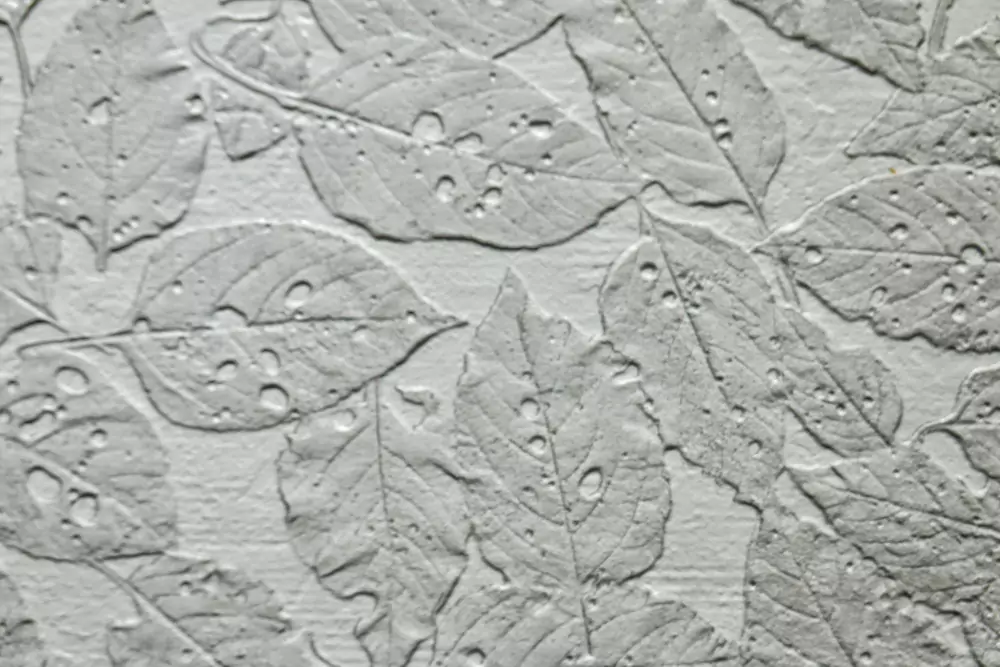
With the colours in place, the final transformative step is to imprint textures and patterns onto the concrete surface. This is typically done using polyurethane or rubber stamps designed to mimic natural materials such as cobblestone, slate, flagstone, or timber. These tools are pressed into the concrete while it remains workable, embedding realistic surface impressions that add both tactile and visual interest.
The precision and artistry of this step determine the final aesthetic. Installers must align patterns accurately and apply consistent pressure to avoid imperfections. Edging tools and detailing skins are used to enhance borders and tighter spaces where standard stamps may not fit.
Beyond traditional patterns, custom designs—such as company logos, geometric motifs, or even intricate mosaics—can be created using bespoke templates or stencils. The versatility of stamping allows for a high level of personalisation, making each installation distinct. Once complete, the surface is cleaned and sealed, protecting the design and enhancing its colour vibrancy for years to come.
Why Choose Decorative Concrete Finishes in Epping?
In Epping and surrounding areas, homeowners and businesses are increasingly choosing decorative concrete for its durability, beauty, and cost-effectiveness. Whether you're upgrading an existing concrete surface or embarking on a brand-new driveway project, these finishes offer a wide range of options to suit your needs.
Not only are decorative concrete finishes ideal for creating a beautiful driveway, patio, or walkway, but they also provide a long-lasting and low-maintenance solution. With the help of skilled professionals and quality materials, your decorative concrete project will transform your outdoor or indoor space into something special.
FAQs
- What are the benefits of decorative concrete finishes?
- Answer: Decorative concrete finishes offer durability, low-maintenance, and versatility, making them ideal for driveways, patios, and walkways, with the added benefit of enhancing the aesthetic appeal of any space.
- What types of decorative concrete finishes are available in Epping?
- Answer: In Epping, you can choose from imprinted concrete, stamped concrete, polished concrete, coloured concrete, and concrete staining, each offering unique textures, patterns, and colours for various applications.
- Can I use decorative concrete finishes for both outdoor and indoor spaces?
- Answer: Yes, decorative concrete finishes like polished concrete flooring and stamped concrete can be applied to both outdoor spaces like patios and driveways, as well as indoor flooring for a sleek, modern look.
- How does decorative concrete compare to other materials like natural stone or brick?
- Answer: Decorative concrete offers a more cost-effective, low-maintenance alternative to natural stone or brick, providing similar aesthetics with added durability and ease of upkeep.
- What maintenance is required for decorative concrete finishes?
- Answer: To maintain the beauty of decorative concrete, periodic cleaning and the application of a sealer are recommended to protect against wear, cracks, and staining.
Conclusion
Decorative concrete finishes in Epping are an excellent choice for homeowners and business owners looking to add value and style to their properties. With a variety of options available—ranging from imprinted concrete to polished concrete flooring—decorative concrete can cater to both aesthetic preferences and functional needs. Whether you're looking to install a concrete driveway, concrete patio, or walkway, decorative concrete provides a durable, attractive, and cost-effective solution.
By working with experienced contractors and using quality materials, you can ensure that your decorative concrete finishes will last for years, maintaining their beauty and functionality. Whether for residential or commercial projects, decorative concrete is the perfect choice for enhancing any space.


